Signs Your Green-Cheek Conure Needs a Lower-Protein Diet
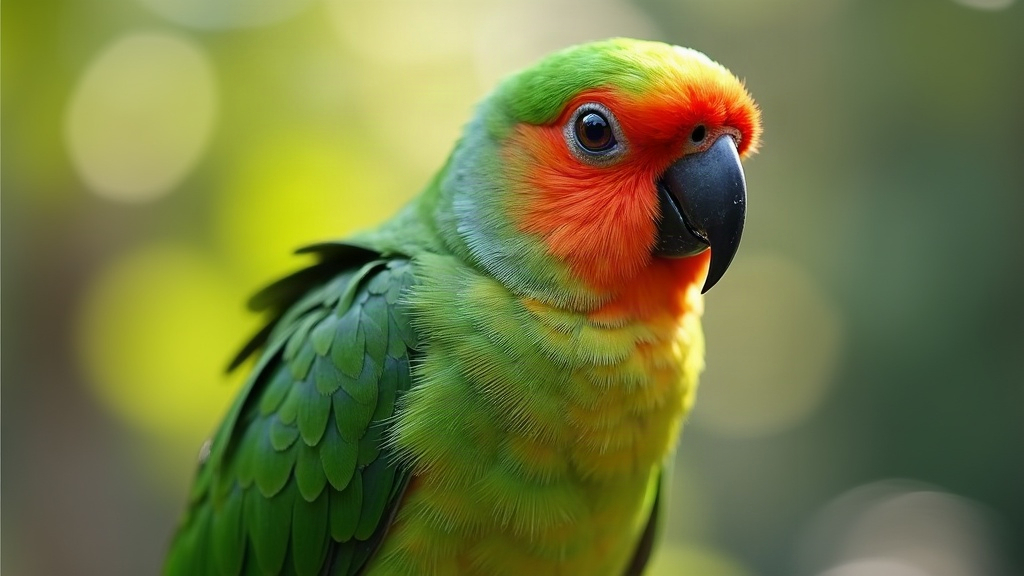
A green-cheek conure may need a lower-protein diet when an avian veterinarian spots trouble signs like kidney disease, gout, liver dysfunction, or a pattern of too many animal proteins and rich, protein-heavy treats. Changes in droppings, thirst, appetite, mobility, or energy level can all point toward a problem, but none of these on their own amount to a diagnosis. Birds are masters at masking illness (it’s an instinct that keeps predators from singling them out in the wild), so any change that lingers or shows up suddenly is worth a vet visit, not a wait-and-see approach.
Why Protein Matters for Green-Cheek Conures
Protein builds feathers, maintains muscle, supports the immune system, and drives normal growth. A healthy adult conure shouldn’t be switched to a low-protein diet just because the word “protein” sounds like something to limit. That instinct is backwards for most birds.
The real issue is balance. Too much protein, particularly from frequent egg, meat, dairy, legumes, seed-heavy mixes, or random supplements bought off a shelf, can put extra strain on a bird whose body is already struggling with a medical condition. Protein breaks down into waste products the kidneys have to filter out, and kidneys that aren’t working well can fall behind on that job fast.
A vet might recommend cutting protein for a conure dealing with:
- Chronic kidney disease
- Gout or elevated uric acid
- Certain liver conditions
- A history of high-protein or poorly balanced feeding
- Abnormal bloodwork or urinalysis results
Don’t use a diet change as a stand-in for actual testing. What counts as “too much” protein depends on your bird’s age, weight, activity level, current diet, and specific diagnosis. Two conures the same size can need very different plans.
Signs Your Green-Cheek Conure Needs Veterinary Diet Review
Changes in Droppings and Urates
Bird droppings are really three things in one: feces, urine, and urates. Urates are normally white to cream, sometimes with a slight yellowish cast that’s still within normal range. A watery food, a stressful morning, or a brand-new pellet can shift things temporarily, but if the change sticks around for more than a day or two, get it checked.
Watch for:
- Persistently increased urine around the droppings
- Very watery droppings with no obvious dietary explanation
- Yellow, greenish, or oddly tinted urates
- Less fecal volume even though your bird is eating normally
- Noticeably fewer droppings than usual
Snap a clear photo of fresh droppings on a plain background and jot down everything your conure ate in the last 24 hours. That small bit of homework gives an avian vet a real pattern to work from instead of a vague description.
Drinking More Water Than Usual
Increased thirst is sneaky in small parrots because they sip quickly and don’t linger at the dish the way a dog might at a bowl. What you’ll actually notice is the water disappearing faster than it should, repeat visits to the dish through the day, or droppings that look more liquid than normal.
Excess thirst can point to kidney dysfunction, a metabolic issue, infection, or a reaction to certain medications. It doesn’t automatically mean protein is the culprit, but it’s reason enough to book an exam rather than guess.
Stiffness, Limping, or Painful Feet
Gout happens when uric acid crystals settle into joints or soft tissue. In birds this shows up as discomfort, weakness, swollen joints, a weaker grip, or reluctance to climb around the cage the way they normally would.
Look for:
- Favoring one foot over the other
- Sitting low on the perch instead of standing tall
- Flinching when you touch the feet or legs
- Trouble gripping cage bars while climbing
- Swollen toe joints, or pale, chalky deposits near the joints
These need urgent attention. Don’t chalk up a sore foot to a simple sprain, especially if your bird is also showing odd droppings or eating less than usual. Gout in birds can progress quickly once it starts.
Lower Energy or Reduced Appetite
A conure that starts sleeping more, sits fluffed up on the perch, skips playtime, or eats noticeably less could be unwell in any number of ways. Protein imbalance is just one possibility on a long list that includes infections, reproductive issues, toxin exposure, and pain.
A healthy conure is usually alert and a little nosy, poking at toys, chattering, watching what you’re doing. One quiet afternoon isn’t a crisis. A pattern that lasts two or three days is worth calling about.
Unexplained Weight Loss
Small birds can lose a surprising amount of weight before it’s visible to the eye, since feathers hide a shrinking body underneath. A gram scale is worth the ten dollars it costs. Weigh your conure at roughly the same time each morning, ideally before the first meal, so the numbers are comparable day to day.
Say your bird normally sits around 68 grams and you keep seeing 62 grams on the scale for a week straight. Call the vet, even if the bird still seems to be eating fine. In a parrot this size, six grams is not a rounding error, it can be nearly 10% of body weight.
Common Dietary Sources of Excess Protein
A lot of owners overdo protein without realizing it, usually through treats they consider “healthy.” A small bite here and there is generally fine for a bird with no underlying issues, but daily servings, or generous portions, can tip an already shaky diet further out of balance.
Take stock of how often your conure gets:
- Egg, chicken, fish, or other animal protein
- Cheese, yogurt, or other dairy
- Large helpings of beans, lentils, peas, or chickpeas
- Commercial breeding or hand-feeding formula (these are formulated for a very different life stage)
- High-protein seed and nut mixes
- Vitamin, mineral, or amino acid supplements added without a vet’s input
A good formulated pellet should be the backbone of an adult conure’s diet, filled out with vegetables, leafy greens, a little fruit, and thoughtfully chosen treats. Pick a quality pellet made for small parrots and let the manufacturer’s nutritionists do the math instead of trying to calculate protein percentages yourself at the kitchen counter.
How to Safely Reduce Dietary Protein
If your vet does recommend cutting back on protein, ease into it unless told otherwise. A sudden overhaul of what’s in the bowl can spook a conure into eating less, and a bird that stops eating even for a day or two is a genuine emergency.
A safer approach looks something like this:
- Write down the current diet. Pellets, seed, treats, table food, supplements, portion sizes, all of it.
- Cut the obvious high-protein treats first. That means less egg, meat, dairy, and smaller servings of legumes, not none of these on the very first day necessarily, but a clear downward trend.
- Keep a complete pellet as the base. Don’t swap pellets out for fruit and veggies alone; that trades one imbalance for another.
- Rotate in fresh produce. Bell pepper, broccoli, carrots, squash, leafy greens, and herbs add variety and nutrients without leaning on rich treats.
- Track weight and droppings through the transition. Keep a simple log and flag anything unusual to your vet right away.
- Recheck bloodwork. Success isn’t measured by what’s printed on a bag of pellets, it’s measured by your bird’s actual weight, behavior, and lab results over time.
When to Seek Urgent Avian Care
Get help immediately if your conure seems weak, can’t perch, is breathing with visible effort, is vomiting, refuses food outright, seems severely lethargic, or has painful, swollen joints. Small birds have very little reserve; they can go from “off” to critical within hours. Waiting around to see if a diet tweak fixes things is a gamble you don’t want to take when a bird’s condition can slide that fast.
Conclusion
The warning signs for a lower-protein diet in a green-cheek conure overlap heavily with the signs of more serious illness, and that overlap is exactly why guesswork is risky. Keep the daily diet balanced, weigh your bird and check droppings regularly, and loop in an avian veterinarian before making any major dietary change.