Converting a Seed-Eating Budgie to Pellets Without Starving It
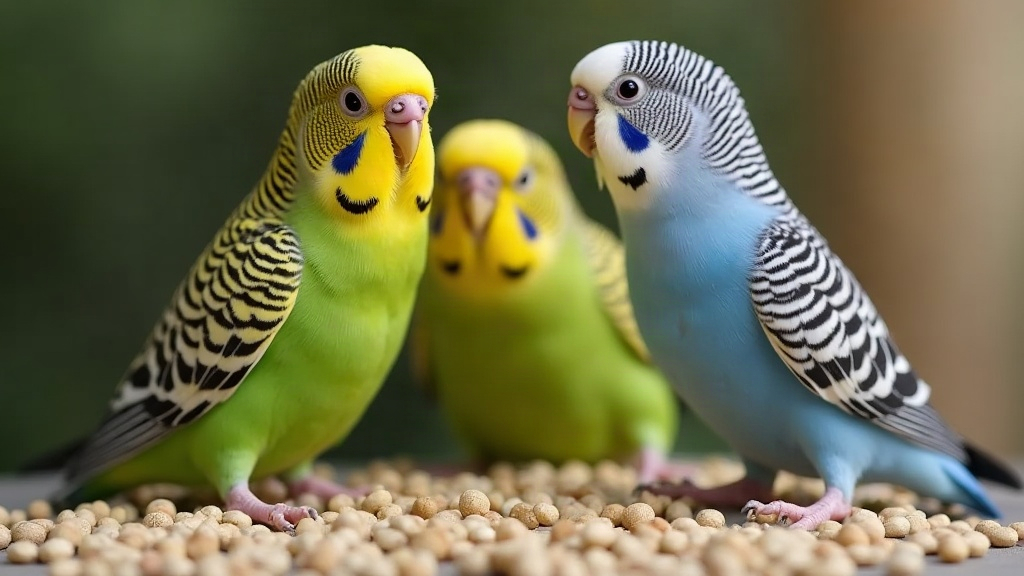
Switching a seed-eating budgie over to pellets is one of the best things you can do for its long-term health. It’s also one of the easiest things to mess up if you rush it. Budgies can be surprisingly stubborn about food, and some will flat-out refuse anything new for days, which puts them at real risk of starving themselves. Here’s a safer, slower approach that protects your bird while still getting its diet where it needs to be.
Why Switch From Seeds to Pellets?
A seed-only diet is basically junk food for a budgie: heavy in fat, light on the vitamins, minerals, and amino acids it actually needs. Birds that live on seeds alone tend to run into:
- Vitamin A deficiency (shows up as respiratory infections, skin problems)
- Obesity and fatty liver disease
- Calcium deficiency, which can lead to egg-binding in females
- A noticeably shorter lifespan compared to pellet-fed birds
Pellets solve a sneaky problem seed mixes create: selective eating. Give a budgie a bowl of mixed seed and it’ll pick out the millet or the sunflower bits it likes and leave the rest, meaning it never actually gets the balanced mix the bag promised. Pellets are formulated so every bite is nutritionally complete, no cherry-picking possible.
The #1 Rule: Never Starve Your Bird Into Switching
You’ll still find old-school advice floating around that says pull all the seed and wait until the bird “gives in” and eats pellets. Don’t do this. It’s dangerous, full stop. Budgies run on fast metabolisms, and a bird with no food can die in as little as 24 to 48 hours. Withholding food to force a conversion isn’t tough love, it’s a gamble with your pet’s life. Go gradual instead, and keep an eye on things as you go.
Step-by-Step Conversion Method
1. Weigh Your Bird First
Get yourself a cheap gram scale (an ordinary kitchen scale does the job) and weigh your budgie every day, same time, ideally first thing in the morning before it’s eaten anything. A healthy adult budgie usually sits somewhere between 30 and 40 grams, depending on size and build. Log this number daily through the whole transition. It’s your early warning system if something’s going wrong.
2. Start With Mixing, Not Replacing
Don’t yank the seed dish and plop down pellets instead. Ease into it:
- Stir a small handful of pellets right into the existing seed dish
- Crush a few pellets into a fine powder and dust it over favorite foods
- Set out a separate pellet dish next to the seed dish so curiosity does some of the work
3. Try Different Pellet Shapes and Colors
A lot of budgies reject pellets simply because they don’t look like food to them. Worth experimenting with:
- Brightly colored pellets (some birds seem drawn to color, oddly enough)
- Different textures, pellets versus crumbles versus a mash
- Different brands entirely, since taste and texture vary more than you’d expect
4. Use Foraging and Social Learning
Budgies are flock birds, and flock birds learn by copying each other. A few tricks that actually work:
- Sit by the cage and pretend to eat the pellets yourself, make a show of enjoying it
- Tuck pellets inside a foraging toy so finding them feels like a game
- If you’ve got another bird already eating pellets, let the new convert watch and learn
5. Gradually Shift the Ratio
Stretch this out over 2 to 4 weeks, nudging the pellet-to-seed ratio up bit by bit:
- Week 1: 90% seed, 10% pellets
- Week 2: 70% seed, 30% pellets
- Week 3: 50% seed, 50% pellets
- Week 4 and beyond: keep shifting toward mostly pellets, seeds become an occasional treat rather than a staple
Let your bird’s actual behavior set the pace here, not some rigid calendar on the wall.
6. Monitor Droppings and Weight Daily
Keep watch for:
- Weight loss over 10% of body weight: stop, reintroduce more seed right away
- Fewer droppings than normal, or none at all: a red flag that it isn’t eating enough
- Lethargy, puffed-up feathers, eyes closing during the day: get to an avian vet immediately, don’t wait it out
What If My Budgie Still Refuses Pellets?
A few weeks in and still no luck? Try this:
- Mix pellets into warm (not hot) soft food, like mashed vegetables
- Offer fresh veggies and fruit alongside the seed in the meantime, just to boost overall nutrition
- Book a visit with an avian vet. Some birds genuinely need a slower, more creative approach, and occasionally there’s an underlying health issue dulling the appetite that’s worth ruling out
A Realistic Timeline
Most budgies come around within 3 to 6 weeks if you stay patient and consistent. Older birds, or ones that have eaten nothing but seed for years, can take longer and need a bit more persistence on your part. That’s normal, not a failure on your end.
Conclusion
Moving a budgie from seeds to pellets is one of the single best upgrades you can make to its diet and lifespan, but it has to happen slowly and under close watch. Weigh the bird daily, blend the foods gradually, lean on foraging games and flock instincts to spark curiosity, and never take food away just to force the issue. Give it a few weeks of patience, and most budgies settle happily into a healthier, pellet-based life.