Overgrown Parakeet Beak: Home Care Tips & Vet Warning Signs
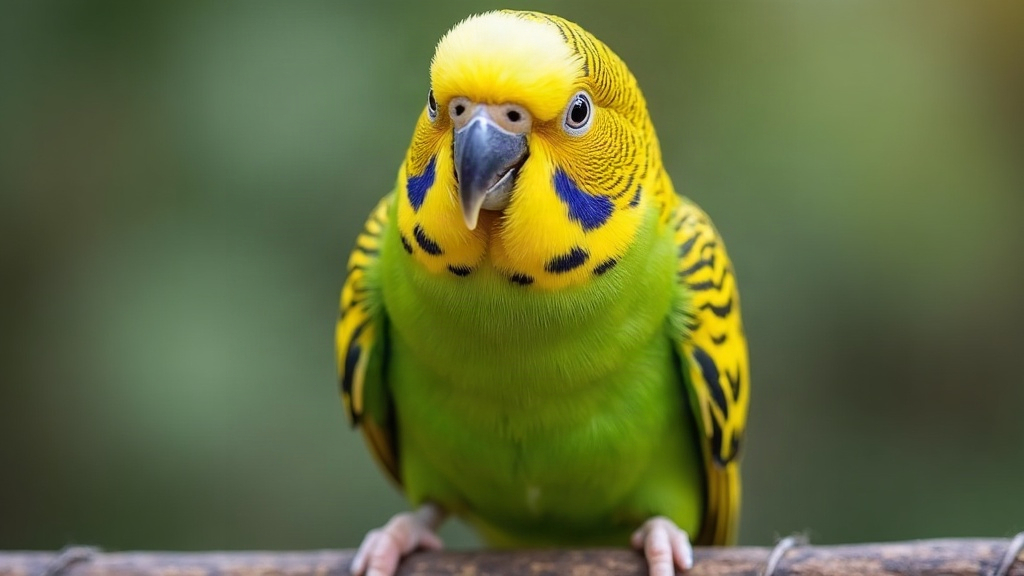
An overgrown beak in a parakeet is rarely just a cosmetic issue. Most of the time it’s a flag that something’s off with your bird’s health, diet, or living setup. Below: what actually causes beak overgrowth, what’s safe to try at home, and which signs mean you need to call an avian vet today, not next week.
Why Parakeet Beaks Become Overgrown
A healthy parakeet’s beak never stops growing, the same way your fingernails never stop growing. Normally this isn’t a problem. Chewing on wood, cuttlebone, millet sprays, and rough-textured perches wears the beak down on its own, keeping the shape and length exactly where they should be. Take away that wear-and-tear, and the beak just keeps going, with nothing to stop it.
Common underlying causes include:
- Liver disease - one of the most frequent culprits in budgies specifically. The beak grows long and often takes on a “rubber-like” or layered texture you can actually feel.
- Fatty liver (hepatic lipidosis), usually from a seed-only diet that’s heavy on fat and light on everything else.
- Scaly face mites (Knemidocoptes), which leave a honeycomb, crusty look alongside the overgrowth.
- Malocclusion or beak injury, where trauma knocks the upper and lower mandible out of alignment.
- Lack of chewing opportunities, think plastic cages with zero wood toys, or perches so smooth there’s nothing to grip and gnaw.
- Age-related changes in older birds, whose keratin production just gets erratic over time.
Signs Your Parakeet’s Beak Is Actually Overgrown
Not every beak that looks a bit long is a crisis. But keep an eye out for:
- The upper beak curling down past the lower one, getting in the way of eating
- Visible ridges, flaking, or a crumbly texture
- Trouble cracking seeds or picking up food at all
- The beak crossing to one side (scissor beak)
- Dark discoloration or a base that’s grown oddly thick
If your bird is struggling to eat, dropping weight, or looks genuinely frustrated at the food dish, don’t sit on it. This isn’t a looks problem anymore, it’s a functional one.
What You Can Safely Do at Home
One thing first: trimming a beak yourself is risky, and it should only ever be a stopgap, never a replacement for an actual vet visit.
Encourage Natural Wear
- Keep mineral blocks and cuttlebone in the cage so your bird can file its own beak at its own pace.
- Add natural wood perches (manzanita, apple, pine branches) with a mix of diameters, not just one thickness.
- Toss in safe chew toys daily, balsa wood, willow, vine balls, whatever keeps the beak busy.
- Swap toys out weekly. A parakeet gets bored of the same chew toy fast, and a bored bird stops chewing.
Improve the Diet
- Move away from an all-seed diet and toward a pelleted diet with fresh vegetables. Seed-heavy diets are strongly tied to the liver problems that drive beak overgrowth in the first place.
- Offer leafy greens, kale, dandelion greens, bok choy, a few times a week.
- Keep high-fat seeds (sunflower, safflower) as occasional treats, not daily staples.
What NOT to Do
- Don’t grab nail clippers or scissors and try to trim the beak yourself. There’s a blood vessel inside (the “quick”), and a bad cut can mean serious bleeding or a permanent deformity.
- Don’t reach for a rotary tool (Dremel) unless you’ve actually been trained by an avian vet. Overheat it or over-file, and you can damage the beak for good.
Vet Warning Signs: When to Stop Waiting
Call an avian veterinarian right away if you notice:
- Beak growth that’s visibly rapid within just a few weeks
- Bleeding, cracking, or an open wound anywhere on the beak
- Your parakeet avoiding food or dropping weight you can actually see
- Crusty, honeycomb-like patches around the beak or cere (a likely sign of scaly mites)
- Lethargy, fluffed-up feathers, or odd droppings showing up alongside the beak changes
- A beak that looks visibly asymmetrical or twisted
An avian vet can trim the beak safely with a rotary tool under controlled conditions, run bloodwork to check how the liver’s doing, and treat the actual cause, mites with ivermectin-based medication, for example, instead of just filing down the symptom over and over.
How Vets Diagnose the Root Cause
A proper avian exam usually covers:
- A hands-on check of the beak and skin for mites or injury
- A blood panel for liver enzymes and general organ function
- A full diet history
- X-rays, if trauma or a structural issue is suspected
Trim the beak without ever touching the liver disease or mites behind it, and the overgrowth just comes right back. It always does.
Conclusion
An overgrown beak isn’t something to brush off. Wood toys, mineral blocks, and a better diet go a long way for a healthy bird trying to maintain normal wear. But fast or severe overgrowth usually means something bigger is going on, liver disease, mites, old trauma, and that needs a professional look, not a guess. When you’re unsure, skip the DIY trim. Let the vet handle it and actually fix what’s causing it.