Stainless Steel vs Powder-Coated Cages for African Lovebirds
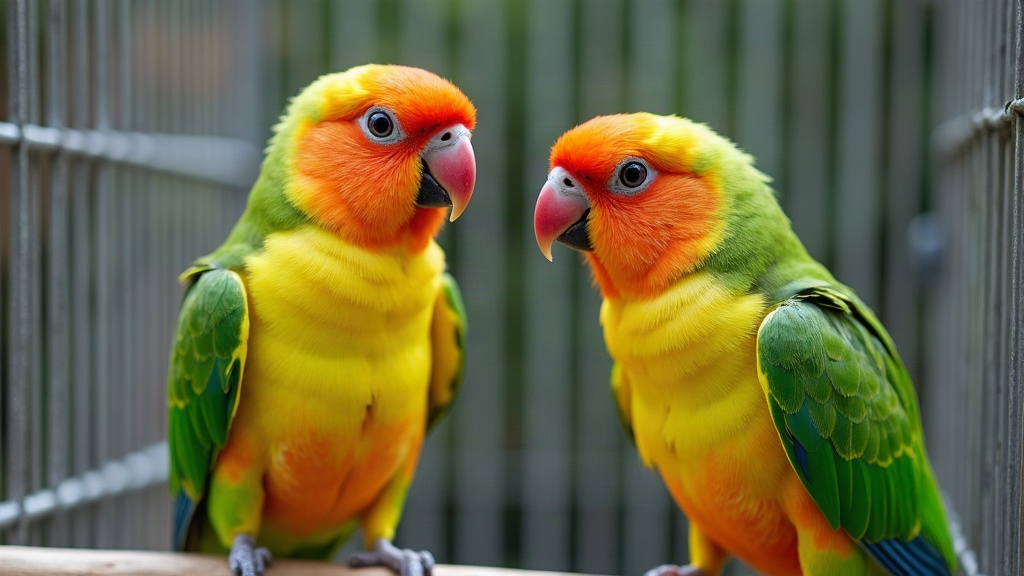
If you’re trying to decide between a stainless steel and a powder-coated cage for your African lovebird, here’s the blunt version: stainless steel costs more upfront but can outlast you (practically indestructible against that beak), while powder-coated cages are cheaper and perfectly fine for most owners as long as the coating holds up. Which one you actually need depends on your budget, how destructive your bird is, and how long you want this cage to stick around.
Why the Material Matters for Lovebirds
Don’t let the size fool you. African lovebirds (Agapornis species) are tiny, but their beaks are little demolition tools. They gnaw on bars constantly, partly out of boredom or curiosity, partly because it’s just what parrots do to keep their beaks in shape. Give it enough time and that constant gnawing will chip, scratch, or flake a weak finish. At that point the material you picked stops being a style question and becomes a safety one.
Stainless Steel Cages
Pros:
- Chew-proof. No amount of determination lets a lovebird beak dent stainless steel.
- Zero flaking risk. There’s nothing to chip off, so there’s no chance of your bird swallowing paint flecks.
- Rust and corrosion resistant. Great if you live somewhere humid or you’re spraying the cage down with water-based disinfectant every week.
- Hypoallergenic and non-toxic. No zinc or heavy-metal worries, which can be a real issue with cheaper coated cages.
- Long lifespan. A good stainless steel cage can easily go 20+ years of daily use without breaking a sweat.
Cons:
- Expensive. Entry-level models usually start around $200-$400, and the larger or premium ones climb from there.
- Heavy. If you like to rearrange your space or move the cage outside for sun time, this gets old fast.
- Only one look. Brushed silver, pretty much every time. No pastel pink, no matte black.
Powder-Coated Cages
Pros:
- Budget-friendly. Plenty of solid powder-coated cages land in the $60-$150 range.
- Colors and styles galore. If you want the cage to match your living room instead of looking like a hospital fixture, this is your lane.
- Lightweight, so moving it for cleaning or relocation is no big deal.
- Safe when the coating is intact. Reputable brands use non-toxic, bird-safe powder that holds up to chewing just as well as steel, right up until it gets damaged.
Cons:
- The coating chips eventually, usually right at the weld points or bar intersections, exactly where a lovebird tends to focus its gnawing.
- Rust shows up fast once metal is exposed, especially in a humid room or anywhere near a mist bottle or water dish.
- Shorter lifespan overall, realistically 5-10 years before wear starts to matter.
- Quality is all over the map. A cheap import coating isn’t held to the same standard as a known brand, so inspect before you buy.
Which One Should You Choose?
- Go stainless steel if: your bird is a serious chewer, you’d rather pay once and forget about it, you live somewhere humid, or you plan on keeping lovebirds (this one or the next one) in the same cage for a decade or more.
- Go powder-coated if: money’s tight right now, your lovebird isn’t gnawing like it’s on a mission, and you’re genuinely willing to check the cage for chips on a regular basis.
Maintenance Tips by Material
Stainless steel:
- A weekly wipe-down with a mild vinegar-water mix is enough. Skip the chlorine bleach long-term; it’ll dull the finish over time.
- Beyond that, there’s nothing special to do. It’s low-maintenance almost by design.
Powder-coated:
- Check the bars monthly, paying extra attention to corners and joints where chips show up first.
- Small chips can be touched up with bird-safe, non-toxic paint. But if the damage is spreading across the cage, that’s your cue to replace it, not patch it.
- Keep it dry. Once the coating breaks, moisture is what turns a small chip into visible rust within weeks.
A Quick Real-World Example
Here’s a scenario that plays out more often than you’d think: someone buys a $90 powder-coated cage, and by month 18 the lovebird has chewed clean through the coating around the door latch, exposing bare metal underneath. Caught early, that’s not a crisis, just something to monitor and eventually replace. Now put that next to a $300 stainless steel cage that, five years down the line, still looks brand new: no chips, no rust, no replacement in sight.
Conclusion
Both options can house an African lovebird safely. The real trade-off is durability versus upfront cost, plain and simple. If your bird chews like it’s got something to prove, or you just don’t want to be shopping for a new cage every few years, stainless steel pays for itself. If you’re newer to bird-keeping or working with a tighter budget, a quality powder-coated cage from a reputable brand works just fine, as long as you actually check it regularly and swap it out once the coating starts to give way.