Teach a Target-Trained Cockatiel to Enter a Carrier Without Chasing
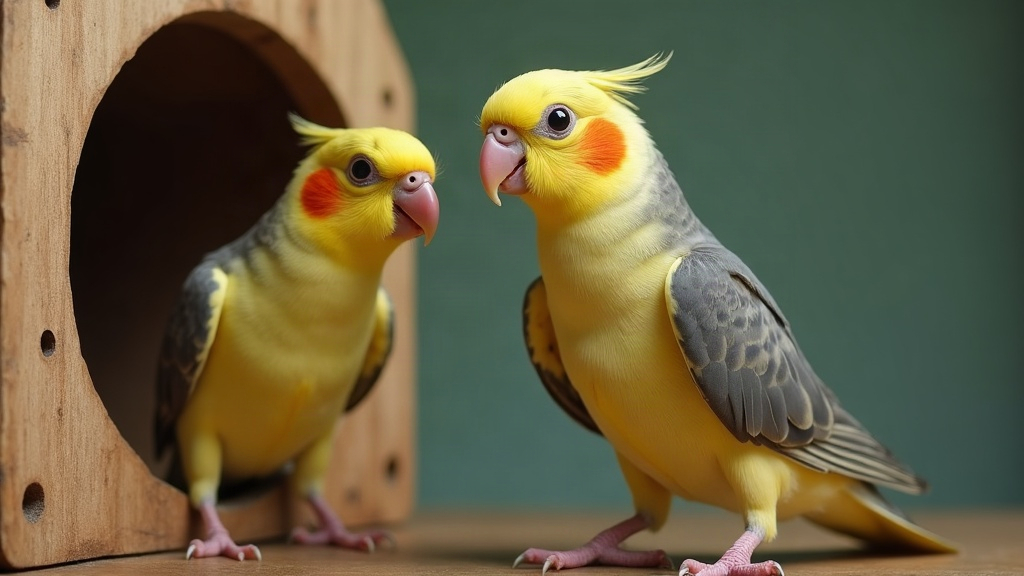
If your cockatiel treats carrier time like a game of tag, you’re not alone. And no, the fix isn’t a net or a towel thrown over the cage. With target training, you can teach your bird to walk into its carrier voluntarily, on cue, turning what used to be a five-minute chase into a calm routine that takes maybe two. This guide walks through the exact steps, starting with building the target association and ending with fading the stick so your bird enters on a verbal cue alone.
Why Chasing Backfires
Chasing a cockatiel toward a carrier teaches it the exact opposite of what you want. Every time your bird flees and you corner it, it learns that the carrier means capture, stress, and losing all control over what happens next. Do this a handful of times and you’ve built a lasting negative association, one that makes every future vet visit or travel day harder for both of you.
Target training flips that dynamic entirely. Instead of forcing compliance, you give your cockatiel an actual reason to choose to approach the carrier, using a tool it already trusts: the target stick.
What You Need Before Starting
- A target stick (a chopstick works, or a dedicated bird-training target if you have one)
- High-value treats: millet spray, a favorite seed, maybe a small piece of safflower seed
- The real travel carrier, left out in the room for several days beforehand, not pulled out of a closet at the last minute
- 5-10 minutes of calm, distraction-free time per session
If your cockatiel hasn’t been target trained yet, spend 3-5 days on that first: teach it to touch its beak to the tip of a stick for a treat. This one skill is what makes everything else possible without any force involved.
Step-by-Step: From Target Stick to Carrier
Step 1: Desensitize to the Carrier’s Presence
Place the open carrier near the cage or play stand, just as another piece of furniture, not a destination with a purpose. Scatter a few treats near the entrance so your bird starts connecting “carrier nearby” with “good things happen,” no pressure to go inside yet. Give this 2-3 days before moving on.
Step 2: Target Toward the Carrier Opening
Hold the target stick a few inches from the carrier door. When your bird touches it, reward right away. Slowly move the target point closer to the doorway, then just inside it, rewarding every successful touch along the way. Keep sessions short. Five clean reps beat a twenty-minute session that ends in frustration every time.
Step 3: Target Fully Inside
Once your cockatiel leans toward the opening without hesitation, extend the target a few inches inside the carrier itself. The first time your bird steps one foot in, treat it generously and stop there for the day. Build from one foot, to two feet, to fully inside, across several sessions. Don’t rush this part, no matter how tempting it is to push for the full step-in on day one.
Step 4: Add the Verbal Cue
Once your bird reliably follows the target all the way in, start pairing it with a cue word, something like “carrier” or “in you go,” spoken right before you present the stick. After 10-15 repetitions, try the cue by itself, no stick shown yet. Most cockatiels catch on fast here, because the target stick was never really the point. The predictable reward was.
Step 5: Practice Closing the Door
With your bird calm and still finishing its treat inside, close the door partway, then all the way, then open it again and let your bird walk back out. Keep these reps short and low-stakes. That way the door closing never turns into “the scary part” of the whole process.
Troubleshooting Common Hiccups
- Bird stops mid-step and backs out: You moved too fast. Go back to the last distance that worked and rebuild confidence before pushing forward again.
- Bird enters but panics when the door closes: Split “entering” and “door closing” into two separate training phases instead of combining them too soon.
- Bird loses interest in treats: Rotate what you’re offering and cap sessions at under 10 minutes. Training fatigue kills motivation fast, usually faster than you’d expect.
- Carrier only shows up at vet time: Normalize it year-round. Leave it out occasionally as a resting spot or even a feeding station, not something that only appears right before a stressful trip.
Maintaining the Behavior Long-Term
Run through the full in-and-out sequence once every week or two, even with no travel on the calendar. This keeps the behavior sharp and stops regression, so when an actual vet visit rolls around, your cockatiel just walks in on cue instead of sensing something’s off and bolting for the far side of the cage.
Conclusion
Teaching a cockatiel to enter its carrier without a chase scene isn’t about dominance. It’s about communication. By leaning on a skill your bird already trusts (targeting) and breaking the whole process into small, rewarding steps, you trade fear for familiarity. The payoff? A calmer bird, a calmer you, and travel days that don’t start with you sprinting around the living room in your socks.