Hand-Taming an Adult Rescue Parrotlet That Has Never Been Handled
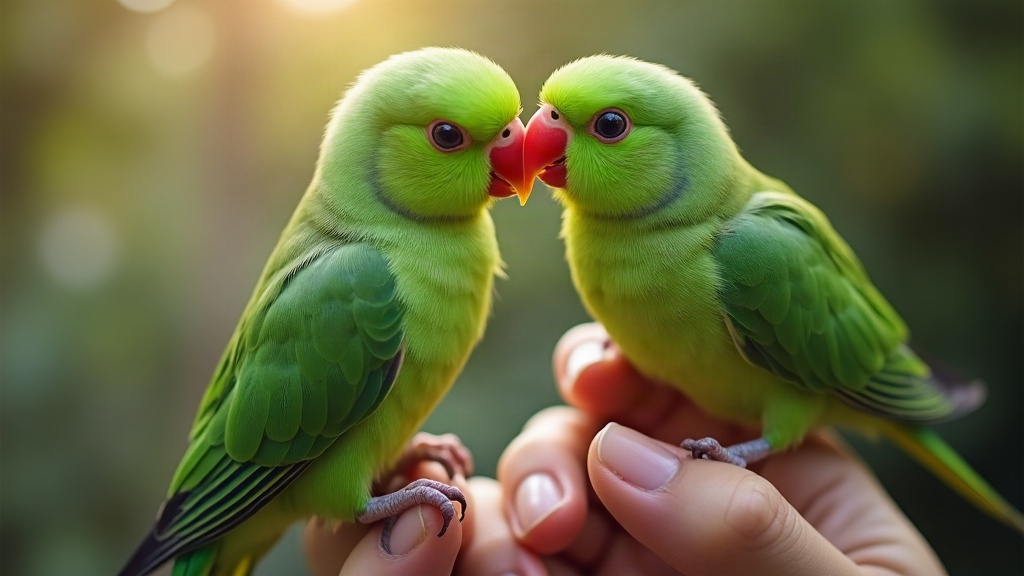
Hand-taming an adult rescue parrotlet that’s never known a human touch is doable. I’ve seen it work more than once. But set your expectations straight: this is a project measured in weeks or months, not a weekend crash course. Unlike hand-fed babies who grew up associating fingers with food and comfort, these birds have zero positive history with hands. Often the opposite. Fear, defensiveness, sometimes outright aggression. The whole approach has to flip: slow, predictable, low-pressure exposure where the bird gets to decide when to come closer. You don’t chase. Ever.
Why Adult Rescue Parrotlets Are Different
Don’t let the size fool you. Parrotlets are tiny, but they’re notoriously bold and territorial once they hit adulthood. A rescue with no handling history is carrying baggage you can’t see at first glance:
- No positive imprinting on hands (to this bird, a hand might as well mean “I’m about to be caught”)
- Fear responses that are instinctive, wired in, not something it just picked up and can unlearn overnight
- Possibly real trauma, chased around a cage, grabbed, caught under a towel
- A personality that’s already set. Babies grow into trust. Adults don’t do that automatically.
So the fast-track methods that work on young hand-fed chicks? They tend to backfire badly here. Push too hard, too fast, and you can lose weeks of progress in a single bad interaction.
Step 1: Do Nothing (On Purpose) for the First Week
Before any actual training starts, just let the bird exist near you. Let it get used to the room, your voice, your shape moving around.
- Keep the cage somewhere calm with moderate foot traffic. Not a closet, not the middle of a busy kitchen either.
- Talk softly as you pass, but don’t stare at the cage directly. A direct stare reads as predatory to a bird’s brain.
- Hands stay out of the cage completely during this phase. No exceptions.
- Watch the body language: tail flicking, feathers slicked tight, lunging toward the bars. All of that is stress talking.
The only goal here is for the bird to learn that your presence doesn’t precede something bad happening.
Step 2: Build Food-Based Trust
If there’s one tool that works reliably with parrotlets, it’s food.
- Pull the seed dish and start hand-delivering small amounts of a favorite treat (millet spray is usually a hit) twice a day.
- Set the treat just inside the cage door at first. Over several days, inch your hand a little closer each time.
- If the bird startles, don’t yank your hand back fast. Freeze. Wait a beat. Then retreat slowly.
- Only move closer once the bird eats calmly at the current distance for three sessions in a row, minimum.
Depending on how much trauma this particular bird is carrying, this stage alone can eat up anywhere from one to three weeks.
Step 3: Introduce the “Step-Up” Stick Before Your Hand
A lot of taming guides jump straight to fingers. With an adult bird that’s never been handled, that’s often a mistake. A training stick or perch doesn’t register as a predator-sized hand, so it lowers the fear threshold considerably.
- Rest the stick near your treat hand until the bird stops reacting to it entirely
- While the bird’s distracted eating, gently press the stick against its lower belly or feet
- Reward even the smallest weight shift onto the stick
- Keep repeating until stepping onto the stick is a non-event, then move toward a finger
Step 4: Transition to Finger Step-Ups
Once the stick step-ups feel routine:
- Swap in a finger at the same angle, same pressure point the stick used
- Keep each session under five minutes. Short and positive beats long and stressful, every time.
- End on a win, even a tiny one. That’s what keeps the bird motivated for next time.
Common Mistakes to Avoid
- Chasing the bird around the cage. This single move can undo weeks of careful work in seconds, teaching the bird that hands equal danger after all.
- Rushing the steps out of impatience. Adult rescues don’t forgive shortcuts. They punish them with regression.
- Training during a chaotic moment (loud TV, visitors, kids running around). Pick your calm windows and stick to them.
- Reaching for a towel unless there’s a real medical emergency. Few things destroy trust faster.
Realistic Timeline
- Weeks 1–2: Just coexisting calmly, no touching at all
- Weeks 2–4: Taking treats directly from your hand at the cage door
- Weeks 4–8: Stepping onto the stick, then onto a finger
- Months 2–4: Comfortable time outside the cage, tolerating a light touch here and there
Some birds move through this faster than expected, especially if neglect (rather than active abuse) was the issue. Others, particularly ones with a history of being grabbed or cornered, might need six months or longer. That’s not a failure on your part. That’s just where that bird is.
Conclusion
Taming an adult rescue parrotlet with zero handling history isn’t a quick fix, it’s a patience project. Respect the bird’s own timeline, lean on food as your bridge, and bring in a training stick before you ever offer bare fingers. Do that, and you give a genuinely scared animal room to choose trust on its own terms. The reward, a small, confident bird that steps onto your hand because it wants to, makes the slow start more than worth it.