Why Parrotlets Regurgitate at Mirrors and What to Do
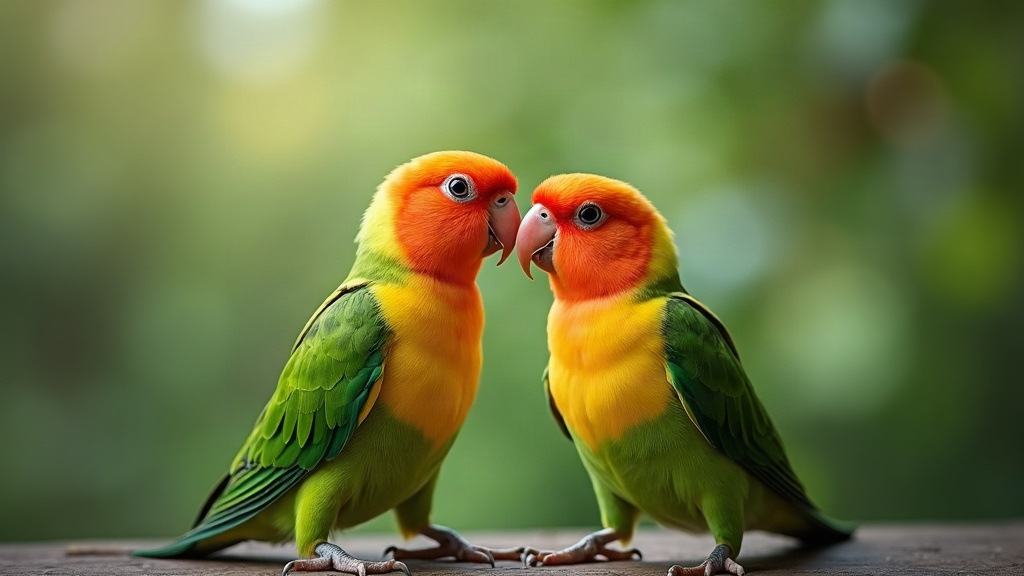
Parrotlets often bring up food at a mirror because, as far as they can tell, that reflection is another bird. Usually one they’d like as a mate. This can be perfectly normal courtship feeding, but when it happens over and over, focused entirely on the mirror, it tends to feed hormonal frustration, territorial edge, and an attachment that isn’t doing your bird any favors. The fix isn’t drama. Calmly limit or remove the mirror, swap in something more enriching, and build a routine that pulls your parrotlet’s attention somewhere healthier.
Why Does a Parrotlet Regurgitate at a Mirror?
In the wild, parrots bring up food to feed a mate, a chick, or a close flock member. It’s an affectionate, social act, nothing like vomiting.
A mirror, though, can seriously confuse a small bird. What your parrotlet sees is another parrotlet that:
- Looks exactly like them
- Is available around the clock
- Never flies off
- Mirrors every move they make
- Never actually talks back
To your bird, that might look like the perfect partner. So when it gets excited or bonded or just hormonal, it bobs its head and offers up food to “feed” the bird in the glass.
This shows up most during hormonal season, typically spring and summer when daylight hours stretch out. But indoor lighting, rich food, cozy nest-like spots, and a lot of cuddling can keep those hormones simmering year-round too.
Regurgitation vs. Vomiting: Know the Difference
Telling affectionate regurgitation apart from an actual health problem matters.
Typical regurgitation
This is usually intentional, aimed at a person, a toy, a mirror, whatever your bird has decided is a mate. You’ll likely see:
- Rhythmic head bobbing
- An alert, excited, almost giddy look
- Small amounts of softened food coming up
- Food aimed directly at the mirror or object
- Normal behavior resuming right after
Possible vomiting or illness
Vomiting looks different. It’s messier, more forceful, and not aimed at anything in particular. A sick bird might just shake food onto its head, the cage bars, wherever. Call an avian vet if the regurgitating happens a lot with no obvious social trigger, or if you notice any of these alongside it:
- Low energy, feathers puffed up
- Not eating much
- Losing weight
- Droppings look different than usual
- Labored breathing
- Food crusted around the face
- Forceful vomiting that repeats
Parrotlets are tiny and can go downhill fast, so if you’re on the fence, just call the vet. Better to check and be wrong than wait too long.
Why Mirrors Can Become a Problem
A quick glance in the mirror now and then isn’t going to hurt anything. The trouble starts when that reflection becomes your bird’s whole social world.
A real bird can preen your parrotlet back, walk away when it wants space, share food, set boundaries. A mirror does none of that. It’s a one-sided relationship, and some birds get genuinely possessive over it, screaming when it’s taken away, spending hours courting and feeding it instead of doing literally anything else.
An unchecked mirror obsession can also feed:
- More territorial biting
- Screaming or fussing the moment the mirror disappears
- Nesting behavior that won’t quit
- Aggression toward people
- Zero interest in training or play
- Hormones that never really settle down
None of this means punishing your bird for instincts it can’t help. It just means giving that energy somewhere better to go.
How to Redirect Mirror Regurgitation
Remove the mirror gradually or completely
If your parrotlet is regularly regurgitating at a mirror, pulling the mirror is usually the cleanest fix. If the attachment runs deep, ease into it rather than yanking it away in one dramatic move.
Try removing it during out-of-cage time first, then swap in a foraging toy in its place. And don’t give in and hand the mirror back after begging or screaming, that just teaches your bird that yelling gets results.
Skip the scolding too. If your bird regurgitates, just quietly steer it toward something else.
Replace the mirror with enrichment
Take away a favorite object without offering anything in return, and you’ve got a bored, frustrated bird on your hands. Give the beak, feet, and brain something else to do.
A few solid options:
- Shreddable paper or palm-leaf toys
- Small chew toys rated safe for birds
- Foraging cups stocked with pellets or a handful of seeds
- Wood perches with different textures
- Short target-training sessions
- Supervised time out of the cage to explore
Swap toys every few days, or the novelty wears off fast. Parrotlets are sharp and full of energy; enrichment only works if it keeps changing.
Redirect before the behavior escalates
Learn the tells. Before regurgitating, a parrotlet often goes quiet and intense, feathers fluff slightly, pupils pin, head starts bobbing, maybe a soft vocalization creeps in.
That’s your window. Ask for a step-up, move the bird to a play stand, or start a quick training exercise, something it already knows, like touching a target stick or stepping onto your hand.
When it engages calmly instead of going hormonal, reward that: a bit of praise, a tiny healthy treat, or a favorite activity.
Adjust hormonal triggers at home
Mirror obsession often eases up once you tackle the other things winding your bird up. A predictable, bird-friendly routine goes a long way:
- 10 to 12 hours of quiet, dark, uninterrupted sleep each night.
- No dark huts, tents, boxes, drawers, or anything resembling a nest.
- Pet the head and neck only, skip the back, wings, and lower body.
- Keep fatty treats like seeds limited and used with purpose, not as a default snack.
- Shuffle the cage layout now and then so nothing turns into “nesting territory.”
- Get your bird moving, safe flight, climbing, active play.
None of this erases biology. But it can take the edge off and shorten how long the hormonal phases last.
Can a Parrotlet Ever Have a Mirror?
Some parrotlets couldn’t care less about mirrors. Others fixate almost instantly. If yours shows no courtship display, no aggression, no obsessive streak, a little supervised mirror time probably won’t cause trouble.
That said, a mirror isn’t essential enrichment by any stretch. Foraging, training, safe chew toys, and real interaction with the humans in the house do far more for a parrotlet. If the mirror keeps triggering regurgitation, just take it out of the equation rather than trying to force it to work.
Conclusion
A parrotlet regurgitating at a mirror is, in its own mind, feeding a companion, not acting out. Pull the mirror if it’s driving an obsession, replace it with real enrichment, and dial back the hormonal triggers through steady, consistent care. Redirect calmly and keep the routine engaging, and most parrotlets will eventually put that attention toward something far more rewarding.