Why Is My Lovebird Throwing Food? Mess vs Illness Signs
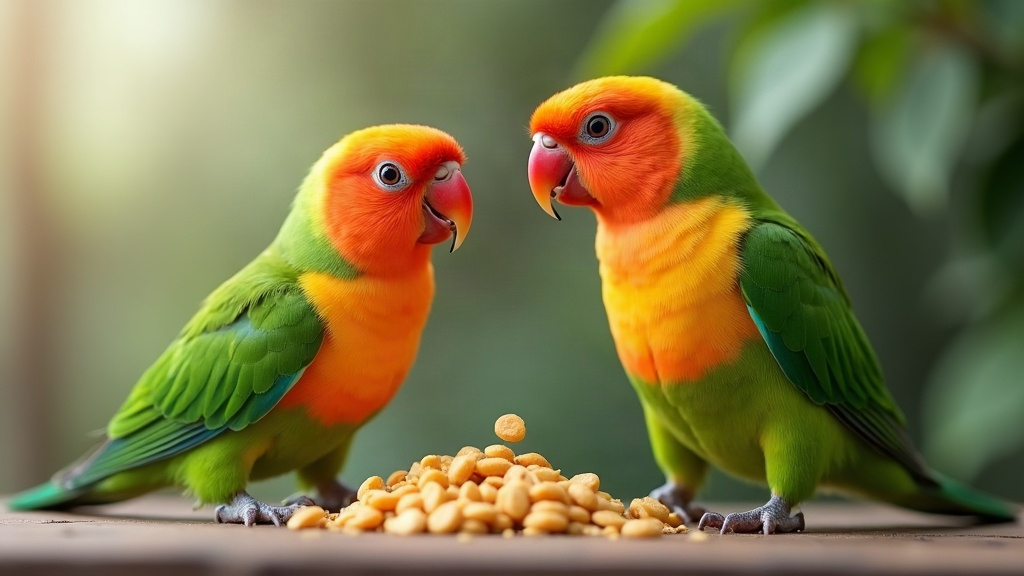
If your lovebird is throwing food out of its bowl or flinging seeds and pellets across the cage, take a breath before you panic. Nine times out of ten, this is just normal, instinct-driven foraging behavior. That said, there are specific patterns that separate harmless messiness from early warning signs of illness, and knowing the difference can genuinely save your bird’s life.
Why Lovebirds Throw Food: The Normal Reasons
Lovebirds are smart, food-obsessed little parrots, and they’ve inherited strong instincts from their wild foraging ancestors. In the wild, they dig through husks, shells, and all sorts of debris to find edible seeds, tossing aside anything that isn’t worth their time. That instinct doesn’t switch off just because your bird lives in a cage with a full bowl handed to it every day.
Common, Harmless Causes
- Foraging instinct: Your lovebird is essentially “digging” through the bowl, hunting for its favorite seed and flicking aside whatever doesn’t interest it in the moment.
- Picky eating: Plenty of lovebirds sort through a seed mix like a kid picking around peas on a dinner plate, discarding husks or less-preferred bits while hoarding the good stuff.
- Boredom or excess energy: A bird with nothing better to do might turn mealtime into a game, especially if it notices you reacting every time.
- Attention-seeking: Lovebirds figure out fast that flinging food makes you look over, laugh, or talk to them. Once they learn that trick works, they’ll run it again and again.
- Territorial bowl behavior: Some birds toss food around to “claim” or rearrange their space, a behavior that tends to ramp up near nesting season.
- Full crop: A bird that’s already eaten its fill may start playing with the leftovers instead of actually eating them.
If your lovebird is otherwise bright-eyed, vocal, active, holding its weight, and producing normal droppings, the food-flinging is almost certainly just personality and instinct. Not a health problem.
When Food-Throwing Signals a Health Problem
Here’s the thing: the throwing itself isn’t the red flag. What matters is what shows up alongside it. Watch for these signs:
1. Sudden Change in Eating Pattern
A lovebird that used to eat like clockwork and suddenly starts flinging most of its food, not just sorting through it, might be dealing with:
- Beak pain or dental-equivalent issues (an overgrown or malformed beak, for instance)
- Mouth or throat irritation, which can come from something like a crop infection
- Nausea, often tied to crop stasis or general gastrointestinal upset
2. Weight Loss Despite Food Being Available
Gently feel along your bird’s chest. If you notice a sharp, prominent keel bone (the breastbone) or thinning muscle around it, take that seriously. Birds are masters at hiding illness, so by the time you spot weight loss, the underlying problem has usually been brewing for a while already.
3. Fluffed-Up Posture and Lethargy
A sick lovebird tends to sit puffed up like a little ball, eyes half-closed, parked on the cage floor or stuck to one perch, showing zero interest in toys, mirrors, or you. That’s a world away from the chatty, energetic bird that flings food around just because it’s having fun.
4. Changes in Droppings
Watery droppings, undigested seed in the stool, odd color shifts, or a sudden drop in how much your bird is producing can all point to digestive trouble linked to reduced food intake.
5. Regurgitation vs. Throwing
It’s easy to mix these up. Regurgitation means the bird brings up food, often with that distinctive head-bobbing motion, and deposits it on a surface or even on you (which, oddly enough, is often a sign of affection or courtship, not illness). That’s different from simply tossing food out of the bowl. But if regurgitation shows up together with lethargy, fluffing, or tail-bobbing while breathing, don’t wait around. Get to an avian vet the same day.
How to Tell the Difference: A Quick Checklist
Ask yourself:
- Is my bird still eating a reasonable amount overall? ✅ Normal
- Is my bird active, vocal, and engaging with toys or people? ✅ Normal
- Is my bird’s weight stable (check weekly with a gram scale)? ✅ Normal
- Are the droppings consistent in color and consistency? ✅ Normal
If you answered “no” to any of these, or you’ve noticed fluffing, lethargy, labored breathing, or weight loss, book an avian vet visit. Don’t put it off.
Managing Messy (but Healthy) Food-Flinging
If your bird checks out healthy and is just plain messy, a few simple tweaks can save you a lot of cleanup:
- Swap the shallow dish for a deep, heavy ceramic bowl to limit how far food can fly.
- Add a foraging toy or seed puzzle so that digging instinct gets channeled somewhere productive instead of onto your floor.
- Slide a tray or mat under the cage to catch debris, making cleanup a thirty-second job instead of a chore.
- Offer smaller portions, more often, rather than one giant bowl sitting there all day tempting your bird to “play” with the extras.
Conclusion
Most lovebirds that throw food are just doing what comes naturally: foraging, being picky, or angling for your attention. None of that is cause for alarm. But when the food-flinging shows up next to weight loss, lethargy, fluffed feathers, or abnormal droppings, it’s worth taking seriously and getting your avian vet involved. Weigh your bird weekly, pay attention to its overall behavior (not just what happens at mealtime), and you’ll catch real health issues long before they become emergencies.