Air Purifiers for Pet Birds: HEPA Safety and Ozone Risks
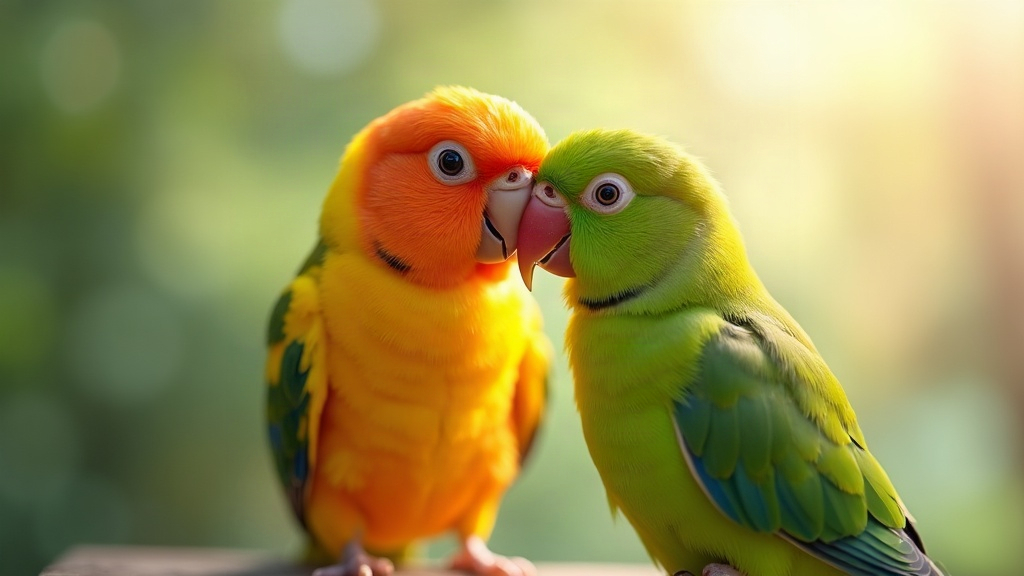
If you live with a pet bird, picking an air purifier isn’t just a shopping decision, it’s a health call. Birds have respiratory systems that are far more delicate than ours, and the wrong machine can do more damage than the dust and dander it’s supposed to clean up. Here’s the short version: HEPA-based mechanical filtration is safe and genuinely helpful for birds. Ozone-generating purifiers are not. Don’t run one anywhere in the house, even a closed room down the hall, if you have a bird.
Why Bird Owners Need Air Purifiers in the First Place
Parrots, cockatiels, and the powder-down species especially (think African greys and cockatoos) throw off a fine dander that drifts through the air and settles on pretty much every surface in the room. That dust isn’t harmless. It can:
- Trigger allergic reactions in the humans in the house
- Contribute to aspergillosis and other respiratory problems in the birds themselves
- Clog up HVAC systems and coat furniture in a thin film
- Carry bacteria that quietly degrade air quality over weeks and months
A decent air purifier cuts down on airborne particles, feather dust, and odors, and it does this without adding new risks to your bird’s environment. That last part matters more than people realize.
Why HEPA Filtration Is the Gold Standard
HEPA (High-Efficiency Particulate Air) filters do their job mechanically. Air passes through a dense mesh of fibers, and particles get physically trapped there. A true HEPA filter is required to capture at least 99.97% of particles down to 0.3 microns, which is small enough to cover bird dander, dust, pollen, and most airborne bacteria.
Why this matters for birds:
- No chemical byproducts get released into the air
- No ozone, no ionized particles floating around
- Trapped particulates stay in the filter instead of getting blown back into the room
- It just runs, quietly and passively, with essentially no risk to sensitive avian lungs
What to Look for When Buying
- “True HEPA” or “HEPA-13” on the label. Skip anything that says “HEPA-type” or “HEPA-like.” Those phrases usually signal a cheaper filter with real gaps in efficiency.
- An activated carbon pre-filter. This handles odors from droppings and food without relying on ozone to do it.
- No ionizer or “plasma” mode, or at least one you can fully switch off. A lot of hybrid units bundle this in as a feature; make sure it has an actual off switch, not just a lower setting.
- Quiet operation. Birds startle at the smallest noise, so aim for something under 50 decibels on its normal setting.
- A CADR rating matched to your room. A Clean Air Delivery Rate that’s too low for the square footage just won’t keep up, no matter how good the filter is on paper.
The Real Danger: Ozone Generators
Ozone generators get marketed as heavy-duty odor killers, and in a sense they are. The problem is how they do it. These units produce ozone (O3), a reactive gas that breaks down organic compounds, and that includes the delicate lining of a bird’s respiratory tract.
Why ozone is especially dangerous for birds:
- Birds have a highly efficient, one-directional respiratory system with air sacs that maximize oxygen exchange. Unfortunately, that same efficiency maximizes exposure to whatever toxins are in the air too.
- Ozone levels considered “safe” for a human can cause lung damage, lethargy, or death in a bird, even at low concentrations.
- Watch for labored breathing, fluffed-up feathers, a sudden drop in activity, and in severe cases, sudden death.
- The damage builds up over time. Repeated low-level exposure, week after week, adds up even if no single exposure looks dramatic.
A lot of purifiers sold for “odor control” quietly rely on ionizers or ozone generation without spelling that out anywhere obvious. Check the spec sheet for “ozone output” or “ionization” before you buy, and skip anything that doesn’t explicitly claim zero ozone emissions.
Placement and Usage Tips
- Keep the purifier at least 3-4 feet from the cage. Too close, and the airflow can blow dust right back onto your bird or spook them with the noise.
- Run it continuously on low-to-medium rather than cranking it to high in bursts, since that tends to create drafts.
- Swap out HEPA filters every 6-12 months (sooner if you’ve got multiple birds). A clogged filter is basically dead weight, it stops filtering effectively long before it looks “full.”
- Skip the scented plug-ins, essential oil diffusers, and aerosol sprays entirely. Running those alongside a purifier just adds a second respiratory hazard you didn’t need.
Common Questions
Can I use an air purifier with a UV-C light feature? Generally fine, as long as the UV bulb is fully enclosed and doesn’t generate ozone as a side effect. Check the manufacturer’s specs to be sure.
Are ionic/ionizer purifiers ever safe for birds? Standard ionizers produce trace ozone as part of how they work. Even if a product claims “ozone-free,” look for third-party verification (CARB certification, for example) before trusting it around your bird.
Do I need a separate unit for the bird room? Yes, if your bird spends most of its time in a bedroom or home office with limited airflow. A HEPA unit sized correctly for that one room will outperform a single central purifier trying to cover the whole house.
Conclusion
Protecting your bird’s lungs comes down to understanding what’s actually happening inside these machines. HEPA filters trap dander and particulates mechanically, with no emissions and no side effects. Ozone generators do the opposite: they pose a real, sometimes fatal risk to birds no matter how the marketing dresses them up. Before you buy, confirm true HEPA certification, verify zero ozone output, and think about where in the room the unit will actually sit. Reading the label for five minutes is a small price to pay compared to the alternative.