How to Set Up a Safe Sleep Cage for Senior Cockatiels
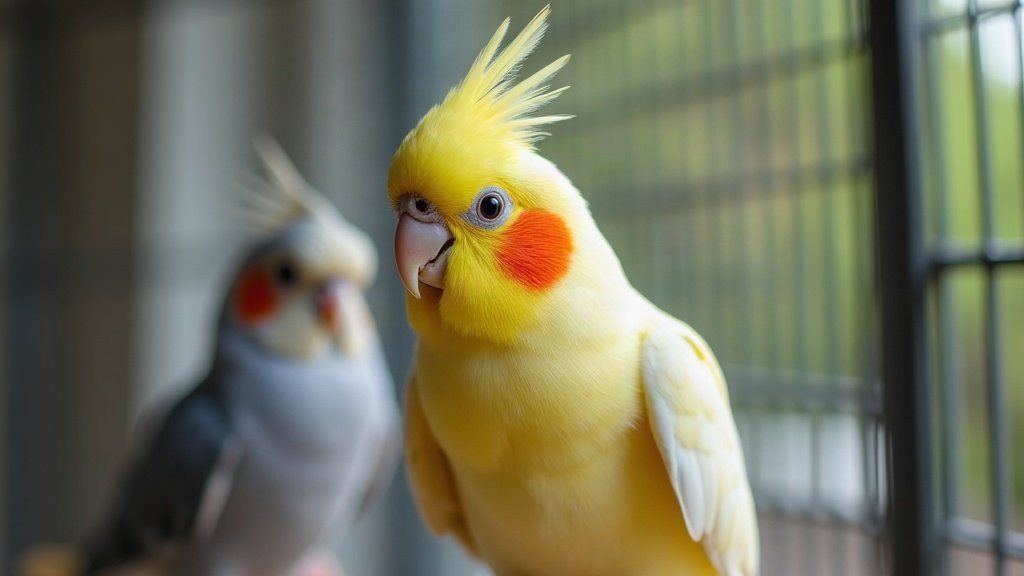
A safe sleep cage for a senior cockatiel needs to check a few boxes at once: quiet, easy to get around in, warm but not stuffy, and set up so a fall in the dark doesn’t turn into an injury. Older birds often lose grip strength, develop arthritis, see less clearly, or startle more easily than they used to. A simple, predictable nighttime setup protects both their body and their nerves.
Why Senior Cockatiels May Need a Separate Sleep Cage
Plenty of cockatiels sleep just fine in their everyday cage, no changes needed. But a separate sleep cage starts to make sense once the main cage sits in a busy room, catches light from a TV or hallway late at night, or is packed with toys and climbing gear that’s more obstacle course than comfort for an aging bird.
A dedicated sleep cage gives your cockatiel:
- A quieter, darker place for uninterrupted rest
- Fewer shadows and noises that can trigger night frights
- A simpler layout with fewer fall hazards
- A consistent routine that supports healthy sleep patterns
- Easier monitoring of nighttime droppings, movement, and appetite in the morning
Most senior birds do best with 10 to 12 hours of quiet sleep a night. Push that closer to 12 if your bird tires easily, is molting, recovering from an illness, or just seems more stressed than usual with age.
Choose the Right Cage Size and Design
A sleep cage doesn’t need the bells and whistles of a daytime setup. It just needs enough room for your cockatiel to turn around, stretch a wing, and move without bumping into things.
For one bird, aim for a cage no smaller than:
- 24 inches wide
- 18 inches deep
- 24 inches high
Floor space matters more than ceiling height here. A tall, narrow cage looks impressive but can actually raise injury risk, especially if a bird loses its footing climbing down in the dark.
Look for a cage with:
- Bar spacing of roughly 1/2 inch
- Doors that close securely and stay shut
- A solid bottom tray you can slide out to clean
- No sharp wire ends, chipped coating, or wobbly parts
- A plain rectangular shape, not one of those decorative round cages
Skip locations near open windows, air vents, kitchens, TVs, or speakers. Drafts, cooking fumes, and sudden noise all chip away at sleep quality and, over time, at health.
Set Up Low, Comfortable Perches
Perch placement might be the single most important detail in a senior-friendly sleep cage. Thin dowels can be tough on an arthritic foot, and a high perch becomes a real hazard if a night fright sends your bird scrambling.
Use Supportive Perch Materials
Stick with one or two sturdy perches offering varied, comfortable diameters. Natural, untreated wood is generally the best bet since it keeps the foot in a more natural position.
For a bird dealing with arthritis, sore feet, or shaky balance, consider adding:
- A wider natural branch perch
- A flat platform perch
- A rope perch, but only if it’s clean, tightly woven, and not fraying anywhere
- A soft, bird-safe sleeping platform made for this purpose
Skip the sandpaper perch covers entirely. They sound useful for nail wear but tend to irritate feet and can make pressure sores worse.
Keep Perches Low
Set the main sleeping perch low enough that a fall isn’t a big deal if it happens. For most senior cockatiels, that means the lower-middle area of the cage, not up near the top where a tumble has real consequences.
A layout that works well in practice:
- One main perch, set low, positioned away from food and water dishes
- A slightly lower platform or backup perch nearby, just in case
- A clear, open path between the cage door and the sleeping area
Don’t put perches directly over the bowls. Droppings falling into food or water is a mess nobody wants to deal with, and it’s an easy fix.
Make the Cage Floor Safer
Even with perches dialed in perfectly, an elderly bird can still slip, or panic and drop from a night fright. A softer, safer floor cuts down the damage when that happens.
Line the tray with plain, unscented paper towels or cage paper, nothing fancy. It also makes your morning check (droppings, appetite cues) much faster. If the cage design allows it, a thin layer of clean paper under the grate adds one more buffer.
Steer clear of loose bedding like:
- Cedar or pine shavings
- Corn cob bedding
- Scented litter
- Fabric scraps
- Cotton fluff
All of these can cause respiratory irritation, ingestion problems, or just turn into a hygiene headache fast. If falls are becoming frequent, it’s worth a call to an avian vet about pulling the grate altogether or setting up a low-sided recovery-style cage instead.
Control Light Without Creating Total Darkness
Cockatiels are prone to night frights, particularly when shadows shift suddenly or an unfamiliar sound cuts through the quiet. Pitch-black darkness sounds soothing in theory, but for some birds it actually ramps up anxiety instead of calming it.
A more reliable approach:
- Cover three sides of the cage with a breathable, lightweight cover
- Leave one side partially open so air can move
- Add a dim, warm night light outside the cage if your bird startles easily
- Keep bright screens and overhead lights off during sleep hours
The night light shouldn’t be bright enough to interrupt real sleep, but should give just enough visibility that a startled bird can find its perch again instead of thrashing around blind.
Maintain a Comfortable Temperature
Older cockatiels tend to handle temperature swings worse than younger birds. Aim to keep the sleep area steady, somewhere around 68 to 78°F (20 to 26°C).
Don’t place the cage right next to a heater, radiator, fan, AC unit, or drafty window. A stable room that’s a touch cool beats a warm room with constant fluctuation every time.
If the house cools down overnight, warm the room itself rather than clipping a heat source directly to the cage. And keep candles, air fresheners, essential oil diffusers, and non-stick coated heaters well away from birds. The fumes these produce can be seriously dangerous, even fatal, to a bird’s respiratory system.
Build a Calm Nighttime Routine
A predictable routine helps an aging bird settle faster and sleep more soundly. About 15 to 30 minutes before bedtime, start dialing down activity around the cage.
A basic routine might look like this:
- Top off the water if it’s running low
- Double-check that perches and doors are secure
- Clear out any wet food that could spoil overnight
- Talk quietly to your cockatiel for a minute or two
- Dim the lights gradually rather than all at once
- Cover part of the cage at roughly the same time each night
Keep an eye out for warning signs: repeated falls, sleeping on the cage floor instead of a perch, labored breathing, appetite that’s dropped off, or droppings that look different than usual. None of that should be waved away as “just getting old.” It’s worth a conversation with an avian vet.
Conclusion
A safe sleep cage for a senior cockatiel comes down to keeping things calm, low-risk, and easy to navigate. Low supportive perches, soft controlled lighting, a steady temperature, and a routine your bird can count on every night: that combination is what lets an older cockatiel rest well and stay safe until morning.