How to Keep Budgies Warm During a Winter Power Outage
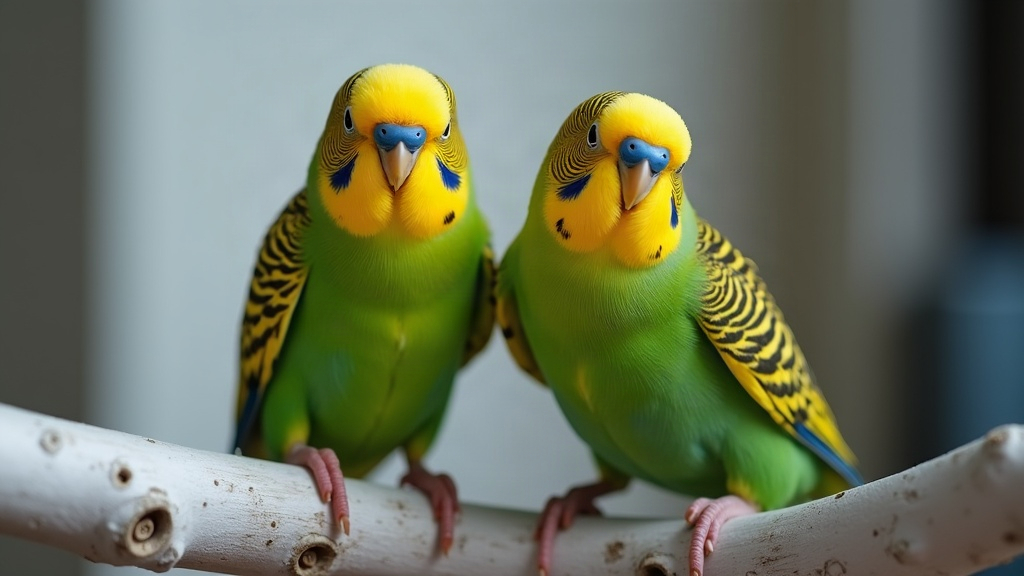
How to Keep a Budgie Warm During a Power Outage
A winter blackout can turn dangerous fast for a small bird like a budgie. They lose body heat quickly and depend on stable warmth just to function normally. The good news: with a bit of preparation (insulation, safe emergency heat, and quick reflexes) you can get your budgie through an outage without a scare.
Why Budgies Are So Vulnerable to Cold
Budgies come from the warm, arid outback of Australia. Their bodies are built for heat, not for a Midwest cold snap. A healthy budgie runs at 105-109°F (40-43°C) internally, and with such a small body mass, plus exposed feet and no downy layer of fat, heat just escapes them. Most owners keep their homes somewhere between 65-75°F (18-24°C). Once a room dips below 60°F (15°C) for more than an hour or two, you’re looking at real risk of hypothermia, illness, or worse.
Here’s the part people underestimate: during an outage, indoor temperature can fall 1-3°F every hour, depending on insulation and how cold it is outside. A cozy 70°F living room can slide into the low 50s by the middle of the night. That’s a bigger swing than most people expect.
Immediate Steps When the Power Goes Out
- Move the cage to the warmest, most interior room in the house. Away from windows, exterior walls, and anywhere you feel a draft. Bathrooms and interior hallways tend to hold heat longer than a living room with a big bay window.
- Cover three sides of the cage with a thick blanket or towel, leaving one side open for airflow. This traps body heat without suffocating the bird.
- Check the actual room temperature with a cheap indoor thermometer rather than guessing. Below 65°F (18°C), start adding supplemental heat.
- Keep your budgie calm. Stress makes it harder for their body to regulate temperature, so resist the urge to pick them up and check on them every five minutes.
Safe Emergency Heat Sources
Not everything that produces heat is safe to use around a bird. Stick with these:
- Battery-powered or USB hand warmers, wrapped in cloth and placed near the cage (not inside it, to avoid burns or overheating).
- Rice or grain heating packs. Microwave a few before the storm even hits, then reheat on a camping stove or portable burner once the power’s out. Wrap in a towel so there’s no direct skin contact.
- A running car as a last resort. Sit inside with the heater on for 20-30 minute stretches if you can safely secure the cage, and always crack a window for ventilation.
- Your own body heat. Some owners tuck a calm, hand-tame budgie inside a loose sweater or against their chest under a blanket for short spells. This only works if the bird is used to handling and won’t panic.
Skip candles, kerosene heaters, or anything with an open flame anywhere near the cage. A bird’s respiratory system is far more sensitive than ours; carbon monoxide and fumes that a human might barely notice can kill a budgie in minutes.
Building a Budgie Emergency Kit Before Winter
Preparation beats scrambling in the dark. Put together a small kit now, before the first storm of the season, with:
- A battery- or solar-powered space heater rated for small spaces
- Extra-thick cage covers or thermal blankets
- A backup battery bank, enough to run a small heating pad for several hours
- A compact, insulated carrier for a fast room-to-room move
- A digital thermometer with a low-temperature alarm
Keep this kit right next to the cage, not buried in a closet. When the lights cut out at 11 p.m. in January, you don’t want to be digging through boxes by phone flashlight.
Warning Signs of Cold Stress
Watch for these, they mean your bird needs warmth right now, not in ten minutes:
- Feathers puffed up constantly, even while awake and moving around
- Visible shivering or trembling
- Sluggishness, sitting low on the perch, or eyes closing during daylight hours
- Feet or beak that feel cold to the touch
If you spot any of these, apply gentle heat immediately and keep watching. No improvement within 20-30 minutes? Call an avian vet or emergency animal hospital. Hypothermia moves fast in a bird this small, faster than most owners realize until it’s already an emergency.
Long-Term Prevention
Live somewhere that loses power every winter? A small generator or a battery backup system sized to run a space heater is worth the investment. Heavy curtains and draft stoppers under doors also buy you time, keeping a room warmer for longer once the heat shuts off.
Conclusion
Getting a budgie through a winter outage comes down to three things: acting fast, using heat sources that are actually safe, and having supplies ready before the storm shows up. Move the cage inward, cover it properly, apply approved heat, and keep an eye out for cold stress. Do that, and a power outage goes from a genuine emergency to something you’ve already got handled.