Best Travel Cage Features for Cockatiel Weekend Car Trips
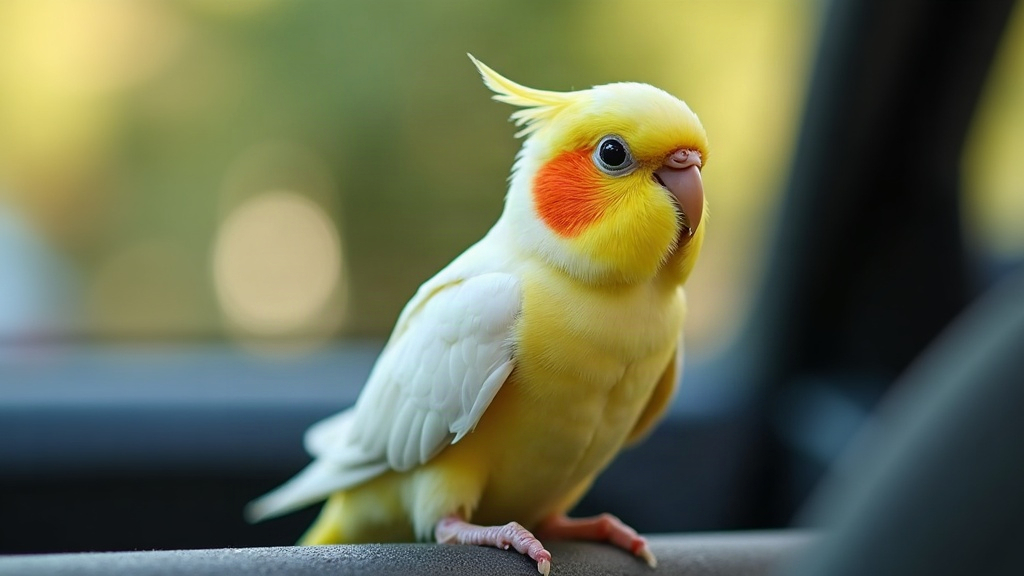
Taking your cockatiel on a weekend getaway can be genuinely fun, a real bonding moment for the two of you, but only if you’ve got a travel cage that’s actually built for the job. The right carrier cuts down on stress, keeps your bird from getting hurt, and makes those stopovers at rest areas or hotels a whole lot smoother. Below, I’ll walk through the specific features that actually matter, so you’re shopping with a checklist instead of just guessing and hoping for the best.
Why the Right Travel Cage Matters
Cockatiels pick up on motion, noise, and temperature shifts far more than most people expect. Hand them a poorly designed carrier and a fun road trip can turn into a stressful mess for everyone involved, bird included. A cage that’s actually right for the job covers three things: security, comfort, and accessibility. Miss any one of those and you’ll feel it by hour two.
Must-Have Features to Look For
1. Secure, Escape-Proof Latches
Don’t underestimate these birds. Cockatiels are remarkably good at wiggling loose doors open when you’re not watching. Look for:
- Spring-loaded or double-locking latches
- Doors that swing inward (this stops them from popping open if you brake hard)
- No gaps wider than 1/2 inch, since cockatiels can squeeze through openings that look way too small to matter
2. Lightweight but Sturdy Construction
Think about how many times you’ll actually be hauling this cage, in and out of the car, up to the hotel room, back down for a rest stop, probably a dozen times over a single weekend.
- Acrylic or powder-coated metal frames hold up far better than flimsy plastic shells
- Try to stay under 5 lbs empty, so you can carry it one-handed while juggling your coffee and car keys
- Skip anything with sharp seams or exposed wire ends, they’ll snag feathers before you even notice
3. Proper Ventilation on Multiple Sides
Airflow matters more than people think, especially if the cage ends up sitting in a parked car for even a few minutes (and to be clear: never leave a bird unattended in a hot vehicle, not even “just running in for a minute”).
- Mesh or grated panels on at least three sides
- A solid back panel to block direct wind if you’ve got a window cracked open
- Steer clear of all-clear acrylic boxes with ventilation only on the front, they trap heat fast, sometimes within minutes on a sunny day
4. Secure Car Seat Attachment Points
Here’s the one almost everyone skips, right up until something goes wrong.
- Built-in strap loops or a flat bottom that plays nice with a seatbelt
- A shape that sits flush against the seatback so it’s not sliding around every time you take a curve
- Never, ever put the cage on the floor. Foot-well vibration and sudden stops are a bad combination for a small bird
5. Compact Interior Perches and Food/Water Cups
A weekend trip means real hours inside that carrier, not just a quick fifteen-minute drive.
- Low, short perches (the tall perches made for full-size cages cause head-bumping in a smaller carrier)
- Clip-on, spill-resistant cups instead of loose bowls that’ll dump water everywhere on the first pothole
- A removable bottom tray, so cleanup at a rest stop takes thirty seconds instead of ten minutes
6. Visual Comfort, Partial Cover Options
Cockatiels settle down noticeably once the blur of passing scenery disappears.
- A washable fabric cover that leaves one side open for light and airflow
- Darker interior tones, which cut down on visual overstimulation during highway stretches
Setting Up the Cage Before You Leave
A handful of small steps now will save you a rough first hour on the road.
- Introduce the carrier at home 2-3 days before departure, so it’s familiar instead of a strange new box.
- Pack a favorite perch or toy, something that smells and feels like home.
- Skip the heavy meal right before you leave. A light snack means less mess once the car starts moving.
- Check the temperature inside the car before loading the cage in. You’re aiming for 65-75°F (18-24°C), not whatever the dashboard reads after sitting in the sun.
What to Avoid
- Wire-only cages with no solid base: they rattle like crazy on anything but smooth pavement
- Top-handle-only designs: these tip forward mid-carry, which startles the bird every single time
- Oversized cages: more open space sounds nice, but it means your cockatiel gets tossed around more during braking, not less
Quick Comparison: What Matters Most
| Feature | Why It Matters |
|---|---|
| Double-locking door | Prevents mid-drive escapes |
| 3-sided ventilation | Stops overheating |
| Seatbelt attachment | Keeps cage stable during stops/turns |
| Short perch | Reduces injury risk |
| Partial cover | Lowers stress from visual motion |
Final Thoughts
None of this is about finding some luxury carrier with bells and whistles. It comes down to the fundamentals: latches that actually lock, ventilation that actually works, a cage that stays put in the car, and an interior calm enough that your bird isn’t white-knuckling it the whole drive. Nail those five things and your cockatiel will handle weekend trips with a fraction of the stress, which, honestly, makes the whole getaway better for both of you.