Spring Molt in Green-Cheek Conures: Normal vs Warning Signs
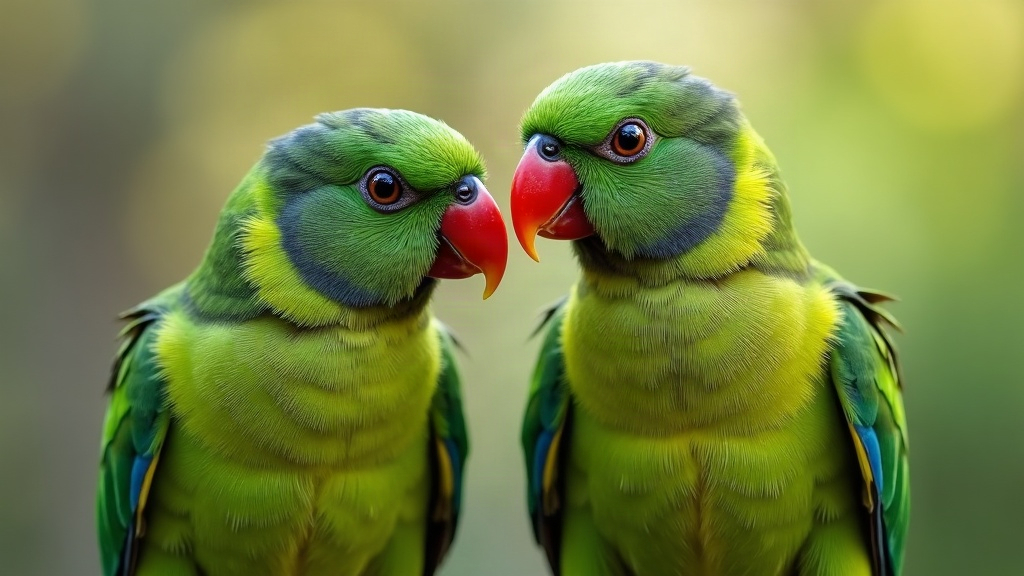
Every spring, green-cheek conure owners start finding feathers scattered across cage floors, dust coating nearby surfaces, and a bird that’s noticeably crankier than usual. Most of the time this is just normal seasonal molting. But a small slice of feather loss cases point to something more serious, and knowing which is which can spare your bird a lot of trouble, and spare you a lot of worry.
What Is Spring Molt, and Why Does It Happen?
Molting is simply the process of shedding worn-out feathers and growing fresh ones in their place. Green-cheek conures typically go through this once or twice a year, and spring (roughly March through May north of the equator) tends to be the heaviest, most noticeable round. The trigger? Lengthening daylight hours flip a hormonal switch that kicks feather regeneration into gear.
During a healthy molt, your conure will:
- Lose feathers gradually, over several weeks rather than all at once
- Show new pin feathers (small, waxy-coated shafts) coming in symmetrically on the head, wings, and body
- Eat noticeably more, since regrowing feathers burns through extra protein and energy
- Seem a bit short-tempered or less tolerant of handling, particularly around the head, which they can’t preen on their own
- Preen more than usual and nibble at their own feathers to work the keratin sheaths loose
Normal Molt Signs to Expect
1. Increased Feather Dust and Debris
Green-cheek conures produce powder down naturally, so expect more dust on shelves, windowsills, even your keyboard during molt season. It’s completely normal, and it actually ramps up when feather growth is at its most active.
2. Pin Feathers (“Blood Feathers”)
Fresh feathers emerge wrapped in a keratin sheath, with a visible blood supply running through the base. They look like tiny spikes, usually clustered along the head and neck, exactly where your bird can’t reach to groom. It’s fine, even kind, to gently scratch these spots once the feather has unfurled enough to help the sheath come off.
3. Mild Behavioral Changes
A little more irritability, more preening sessions, maybe less interest in play. Appetite often climbs by 10 to 20 percent as the body redirects energy toward feather production.
4. Gradual, Even Feather Loss
A healthy molt follows a mirrored pattern: feathers drop from both sides of the body at roughly the same rate, and any bald patch fills in with pin feathers before long.
Warning Signs That Need Attention
Most spring feather loss is nothing to worry about, but keep an eye out for these red flags:
- Bald patches that don’t regrow: If skin stays bare for weeks with no pin feathers showing up, that could mean feather plucking, a nutritional gap, or an underlying illness.
- Broken or bleeding blood feathers: A snapped pin feather can bleed more than you’d expect. Dab on styptic powder or cornstarch, and if the bleeding hasn’t stopped within a few minutes, call an avian vet.
- Excessive feather chewing or self-mutilation: Some nibbling at new pins is expected; chewing feathers down to stubs or picking at bare skin is a different story, and usually points to stress, boredom, allergies, or something medical like Psittacine Beak and Feather Disease (PBFD).
- Lethargy, fluffed-up posture, or appetite loss: These scream illness, not molt. A bird going through a normal molt should still be alert and active between preening breaks.
- Feathers that look dull, frayed, or discolored: Stress bars, those horizontal lines across the feather shaft, can hint at past nutritional trouble or illness even if the current molt looks fine on the surface.
- One-sided or patchy loss: Natural molting is symmetrical. Lopsided feather loss usually signals a localized skin issue, mites, or self-trauma instead.
How to Support Your Conure Through Molt
- Boost protein and omega-3s: A bit of cooked egg, some quinoa, or a few drops of flaxseed oil can help keratin production along.
- Increase humidity: A light misting or a shallow bath two to three times a week softens incoming pin feathers and eases the itch.
- Avoid rough handling: Skip the shoulder rides and back-and-wing petting for now; stick to head scratches if your bird’s into that.
- Keep calcium and vitamin A in check: Shortfalls in either nutrient show up as poor feather quality. A varied diet with leafy greens plus quality pellets usually covers it.
When to Call an Avian Vet
Book a visit if you’re seeing nonstop plucking, bare skin that’s lasted over a month, blood feathers that won’t clot, or lethargy paired with feather loss. A quick exam and some bloodwork can rule out mites, bacterial infections, thyroid problems, or PBFD.
Conclusion
Spring molt in green-cheek conures is normal, healthy even, and part of their yearly rhythm. Expect extra dust, pin feathers popping up along the head, a bigger appetite, and a touch of attitude. What’s not normal: bald patches that linger, feathers that won’t stop bleeding, or any hint of illness layered on top of the feather loss. Those call for a vet visit, sooner rather than later. Pay attention during this stretch of the year, and you’ll spot the difference early enough to keep your bird comfortable and healthy all year round.