Cockatiel Night Frights: Causes, Prevention & Safe Cage Setup
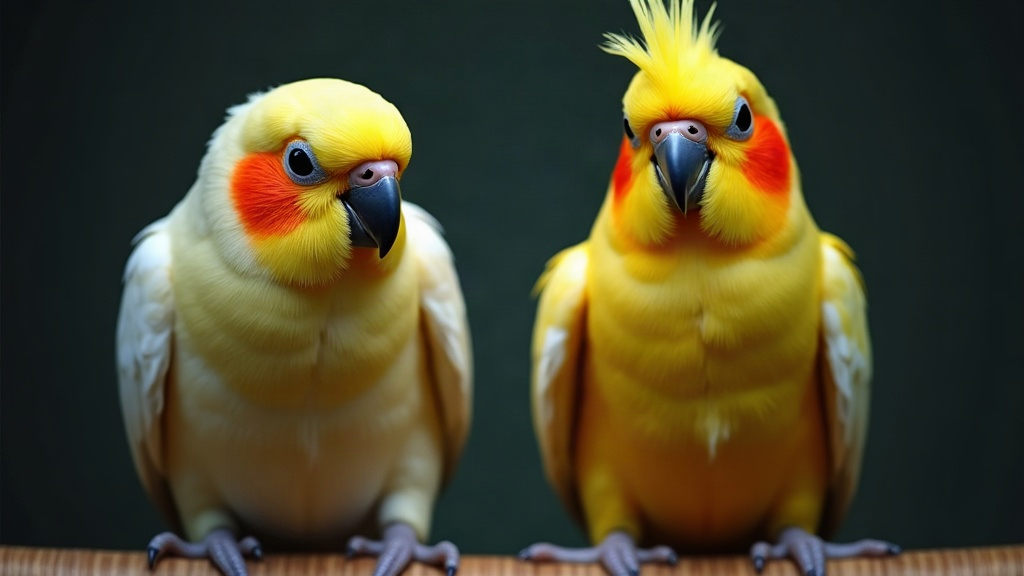
Cockatiel night frights happen when a startled bird panics in the dark, thrashes against the cage bars, and ends up hurt: a snapped blood feather, a bent wing, sometimes even a head injury. Here’s the reassuring part: once you know what sets them off and you set the cage up right, these episodes are almost entirely avoidable. Below I’ll walk through why they happen, what to do in the moment, and how to bird-proof the sleeping area for good.
What Exactly Is a Night Fright?
A night fright, sometimes called “night thrashing,” is a sudden panic response that hits while a cockatiel is asleep or dozing in low light. During the day a startled bird just flies off. At night it can’t see where it’s going, so instead it slams into cage walls, perches, food bowls, toys, whatever’s in the way, and this can go on for several minutes straight. Don’t confuse it with the normal shuffling a bird does on its perch. A real fright looks and sounds different: loud flapping, thumping against the bars, and often a distressed shriek or two.
Common Causes
- Sudden noises: thunder, fireworks, something dropped in the next room, another pet moving around, a door slamming shut.
- Shadows and movement: car headlights sweeping across the wall, a ceiling fan turning, someone walking by with a phone screen lit up or a flashlight.
- Instinctual predator response: cockatiels are prey animals down to their bones. Even a shadow with roughly the right shape can read as “hawk” to a sleeping bird.
- Sudden light changes: a lamp flicking on after total darkness, or the opposite, lights going off too abruptly.
- Stress or a poor sleep setup: cages sitting in busy hallways, next to a blaring TV, or with no fixed day/night rhythm.
- Underlying anxiety: birds that just moved homes, got rehomed recently, or aren’t getting their full 10 to 12 hours of uninterrupted sleep are far more jumpy.
Immediate Steps During a Night Fright
- Stay calm and switch on a soft light, a dim lamp or a nightlight, never the overhead light at full brightness. A sudden flood of light can actually restart the panic.
- Talk in a low, steady voice so the bird knows it’s you and not some other threat.
- Don’t reach into the cage right away. Give the bird a few seconds to settle unless it’s obviously tangled in something or bleeding.
- Once it’s calm, check for damage: look over the wings, tail feathers, and beak for blood or feathers bent at odd angles.
- If the fright was bad, leave a low light on for the rest of the night. It’s the simplest way to stop a repeat episode an hour later.
Prevention: Long-Term Fixes
1. Use a Night Light
A small amber or red LED nightlight positioned near the cage (not shining straight onto it) gives your cockatiel just enough visibility to dodge the bars instead of crashing into them. Skip white or blue bulbs; they mess with sleep cycles the same way a phone screen keeps humans awake.
2. Establish a Consistent Sleep Schedule
Cockatiels need 10 to 12 hours of dark, quiet rest, no exceptions. A breathable sleep cover and a fixed bedtime help a lot, and ideally the cage sits in a room that isn’t also the living room where the TV runs until midnight.
3. Cage Placement Matters
- Keep it away from windows where passing headlights or streetlights throw moving shadows across the walls.
- Skip doorways and hallways, anywhere people or pets pass through after dark.
- Don’t put it under a ceiling fan or near a vent that kicks on and off with sudden gusts of air.
4. Reduce Startle Triggers
- No TVs, radios, or other pets in the sleeping room overnight.
- Got a noisy household, kids running around, dogs barking? A separate, quieter “sleep cage” in another room can make a real difference.
Safe Cage Setup to Prevent Injury
Even with all the prevention in the world, a fright can still slip through now and then, so the cage itself needs to be built to limit injury:
- Pull out sharp or jutting toys near the sleeping perch. Stick to smooth, rounded accessories instead.
- Use a flat, stable sleeping perch, not a swing, which just adds momentum to a thrashing bird.
- Add a soft, safe substrate on the cage floor to cushion any falls.
- Don’t overcrowd the cage with toys, mirrors, or hanging items a panicked bird could get its wing or foot caught on.
- Stick to standard bar spacing for cockatiels, 1/2 inch to 5/8 inch, so heads and wings can’t get wedged between the bars.
- Try a travel-carrier-style sleep cage. Plenty of owners swap to a smaller, simpler cage at night for exactly this reason: fewer obstacles, fewer injuries.
When to See an Avian Vet
If frights are happening more than once a week, or you’re seeing limping, blood, or ongoing stress signs like feather plucking or a bird that’s suddenly gone off its food, get an avian vet involved. Frequent night frights aren’t always just bad luck. Sometimes they point to a sleep setup that isn’t working, or to a health issue underneath that needs a professional look.
Conclusion
Night frights are really just a prey animal’s wiring reacting to sudden fear in the dark, and that makes them manageable once you understand the pattern. Learn the usual triggers (loud noise, moving shadows, abrupt light changes), pair that with a calm nightlight routine, and set the cage up so a thrashing bird can’t hurt itself, and most owners can knock these episodes down to almost zero. A bit of setup now saves a lot of stress (and vet bills) later, and your cockatiel gets the quiet, safe sleep it actually needs.